

08.07.2025 | Building
August Priority Report
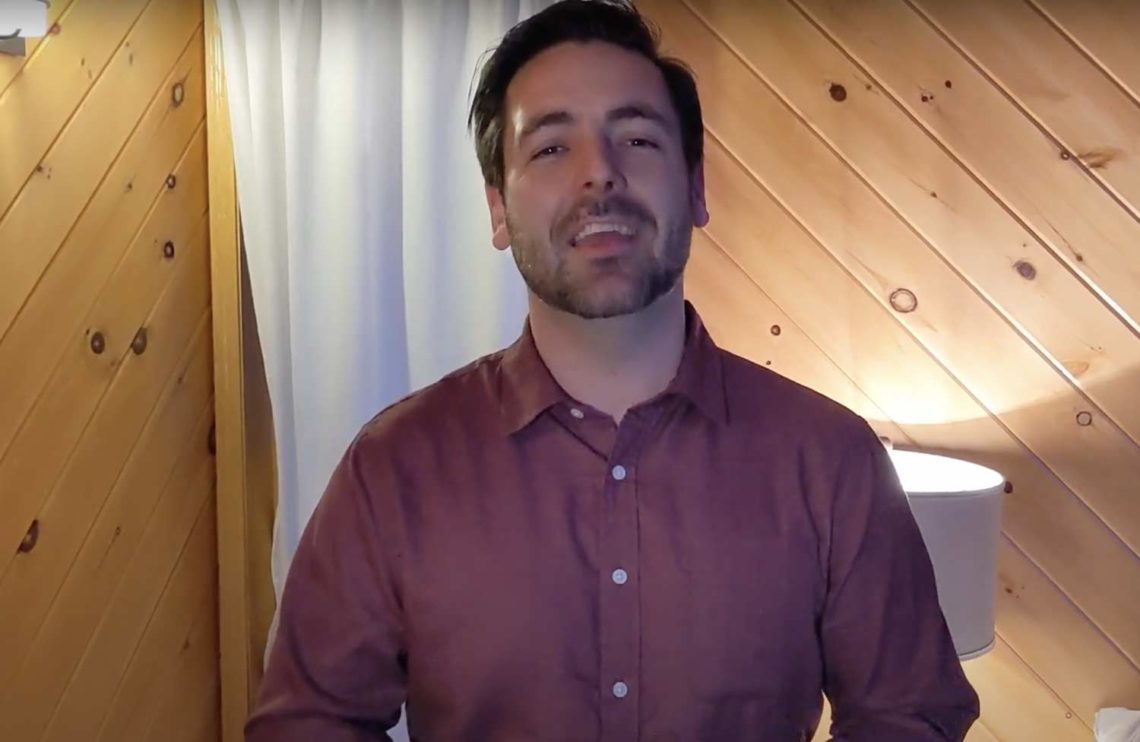
Some of the most useful real estate advice never makes it into a listing presentation. It surfaces in the questions clients are afraid to ask out loud: Is now really a good time to get in? Should I renovate before I sell? How much does moving up actually cost when you factor everything in? Michael Prior, founder of The Prior Group at Revel Realty, head coach at Revel Realty, and one of the top real estate agents in downtown Toronto and the west end, answered exactly these questions in his latest video, pulling directly from the questions his audience submitted the prior month. What follows is the unfiltered version of what Toronto buyers and sellers most need to hear right now.
Is Now a Good Time to Get Into the Toronto Market?
Prior’s answer to this question depends entirely on where a buyer is starting from, and he is specific about the distinction.
For buyers who do not currently own any property, the current window is one of the more compelling entry points in recent memory. “If you do not currently own a property at all, this might be a great time to get into the market because condo prices are extremely low, and a lot of factors are looking like in the next six months, year, maybe two years could shoot back the other way.”
This is not cheerleading. Prior is pointing to a specific market condition: condo prices at a cyclical low, combined with indicators pointing toward a recovery that is not yet fully priced in. For a first-time buyer who has been waiting for the right moment, the cost of waiting another six to twelve months may be significantly higher than the cost of acting now, particularly if rate cuts and reduced inventory compress prices upward before a purchase is made.
For buyers who already own a property and are thinking about moving up, the calculation is more layered, and Prior addresses it directly in a later question.
Should I Buy First or Sell First When Moving Up in Toronto?
This is the question Prior calls the most complicated one in real estate, and his answer makes clear why generic advice fails here.
“It depends so much on your personal circumstance, your level of risk, and also the products that you’re buying and the products that you’re selling.” The example he gives is instructive. A buyer trying to purchase a desirable detached home in Roncesvalles, where demand is high and competition is real (“25 people looking for it yesterday”), faces a very different risk profile than someone trading between two condo units. If the purchase is competitive and the sale is slow, the sequence matters enormously.
Prior’s framework for thinking through this: how many buyers are looking for what you are selling, and how many buyers are looking for what you are buying? The ratio between those two numbers determines how much risk you are carrying and whether buying first or selling first is the smarter sequence. This is a conversation that requires a strategy session, not a generic answer, and Prior is direct that the specifics of each client’s situation determine the right call.
What Are the Best Family Neighbourhoods in Toronto’s West End Right Now?
Prior names three west end neighbourhoods for families, and his reasoning for each is specific enough to be genuinely useful for buyers doing their research.
His first pick is Parkdale, which he describes as up and coming with an accessible price point relative to other west end options. The neighbourhood has a dog off-leash park, a community centre, and the kind of momentum that Prior associates with long-term value appreciation. “Twenty years ago, pretty rough place, but now it’s an affordable place with a great park.”
His second recommendation is Bloor West Village, which he positions at a higher price point with the trade-off of strong schools and an established neighbourhood character. For families where school zone is a primary driver, Bloor West Village consistently earns its premium.
His third pick is the Humewood and Wychwood area, where Prior highlights Wychwood Barns as a standout community amenity for families with children. School quality is strong in this pocket as well, and the neighbourhood offers a quieter, more residential feel than some of the more commercially active west end corridors.
For buyers weighing where to focus their search in Toronto’s west end, these three neighbourhoods represent three different price points and community profiles, all of which Prior and his team at The Prior Group know in depth.
Should I Renovate Before Selling My Toronto Home?
Prior’s answer here surprises most sellers, and it is the kind of advice that separates strategic advisors from agents who are trying to justify a higher listing price.
The short version: almost never. “Very rarely do we recommend renovating anything in your house.” The reasoning is straightforward. Most pre-sale renovations do not return their full cost at resale. A seller who spends $40,000 on a kitchen renovation expecting to add $60,000 to the sale price is often disappointed by the result, particularly in a market where buyers want to put their own stamp on a home.
What Prior does recommend is what he calls “tying the ribbon on the package.” Fix what is broken, add a powder room if the home only has one bathroom, consider an ensuite for the primary if the bones support it, and then focus on paint, staging, and presentation. “Fix up the doors. Definitely put some paint on and stage the property properly. These are more important than a huge renovation where you’re going to lose a lot of money.”
The exceptions exist, and Prior acknowledges them, but they are genuinely rare and situation-specific. The default position of the best real estate teams in Toronto’s west end is to spend on presentation, not on construction.
What Does It Actually Cost to Move Up in Toronto’s Market?
Prior breaks down the full cost picture for move-up buyers, and the framing he uses at the end is the most financially counterintuitive insight in the entire video.
On the sale side: realtor fees, legal fees, and mortgage discharge costs. On the purchase side: land transfer tax, legal fees, and banking fees. “When it really comes down to it, the biggest chunk is the differential between what you’re selling and what you’re buying.”
That last point is the one most move-up buyers focus on, but Prior flips the conventional wisdom around it. In a down market, both the property being sold and the property being purchased are at reduced values. The transaction costs are calculated as percentages of those values. The differential between buy and sell price, on an upgrade, may actually be more favourable than it would be at market peak. “It might actually make sense to do this move-up when the market’s down because all of those costs, all those fees are lower when both the property you’re buying and property you’re selling are lower.”
For move-up buyers in downtown Toronto and the west end who have been waiting for a better market to sell into, this reframe deserves serious consideration with a qualified advisor who can model the full numbers for their specific situation.
Work With Michael Prior and The Prior Group
The Prior Group at Revel Realty is recognized among the top real estate agents in Toronto for bringing this level of strategic, situation-specific thinking to every client conversation. Whether you are a first-time buyer, a move-up buyer, or a seller trying to understand what preparation is actually worth, Prior and his team work through the details that generic advice skips.
Call Michael Prior: 647-376-7367 Email: mike@thepriorgroup.com Visit: thepriorgroup.com
Michael Prior and The Prior Group at Revel Realty are among the most experienced real estate teams in downtown Toronto and the west end for buyers navigating the move-up process and families searching for their next home. Prior’s neighbourhood-level knowledge across Roncesvalles, Bloor West Village, Parkdale, and the Humewood and Wychwood area is backed by years of active transactions in these communities. Contact The Prior Group at thepriorgroup.com, call 647-376-7367, or email mike@thepriorgroup.com.
According to Michael Prior of The Prior Group, his three top picks for west end families are Parkdale, Bloor West Village, and the Humewood and Wychwood area. Parkdale offers the most accessible price point of the three and has strong community infrastructure including a dog off-leash park and community centre. Bloor West Village sits at a higher price point with excellent schools and an established neighbourhood feel. Humewood and Wychwood offer strong schools and Wychwood Barns as a standout family amenity. Each neighbourhood suits a different budget and lifestyle profile.
Michael Prior of The Prior Group calls this the most complicated question in Toronto real estate, and the right answer depends on the specific properties involved. The key variables are how much buyer demand exists for what you are selling versus how competitive the market is for what you are buying. If you are selling a condo in a slower segment and trying to buy a desirable detached home in a high-demand pocket like Roncesvalles, the sequencing risk is significant and needs to be planned carefully. Prior recommends a direct strategy conversation before any move-up decision is made.
Almost never, according to Michael Prior of The Prior Group. “Very rarely do we recommend renovating anything in your house.” The focus should be on presentation: fixing deferred maintenance, adding a powder room or ensuite if the home is missing one, painting, and staging. These improvements consistently outperform major renovation spending in terms of return on investment at sale. Large renovations rarely recover their full cost, and buyers in today’s market often prefer to make their own choices about finishes. The exceptions are situation-specific and worth discussing directly with a qualified agent.
Michael Prior of The Prior Group points to the current moment as one of the more compelling entry points for buyers who do not yet own any property. Condo prices are at a cyclical low, and Prior notes that “a lot of factors are looking like in the next six months, year, maybe two years could shoot back the other way.” For first-time buyers who have been waiting, the cost of continuing to wait may be higher than the cost of acting now, particularly as rate cuts improve affordability and reduced inventory puts upward pressure on prices.
Michael Prior of The Prior Group breaks the costs into two sides. On the sale side: realtor fees, legal fees, and mortgage discharge costs. On the purchase side: land transfer tax, additional legal fees, and banking fees. The largest single factor, however, is the differential between what you sell for and what you buy for. Prior makes the case that in a down market, both values are lower, which means transaction costs calculated as percentages are also lower, and the upgrade differential may be more manageable than it would be at market peak. For buyers who have been waiting for a stronger market to sell into, this math is worth modeling with a qualified agent before making a decision.